题南夫四时佳致园亭
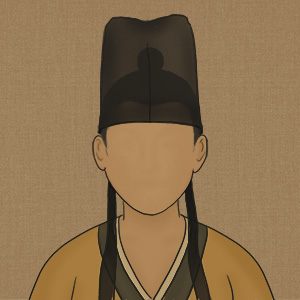
桐川博士老文学,出处乃在可否间。
舍东支径劣百步,墙北危亭俯两山。
风花辞枝黏草碧,雨竹卸箨连苔斑。
林皋红叶白雁早,江国琼英翠羽寒。
一年天与四时景,百岁人无半日闲。
扰扰鸣钟戒晨起,昏昏秉烛愁夜阑。
蜉蝣生死寄黄壤,乌兔飞走凋朱颜。
主人自得静中趣,物理常于动处观。
从容琴书寓真乐,邂逅樽前追清欢。
良时佳友不易得,恶客未至门先关。
Dr. Tongchuan is an old literature scholar, and his knowledge is profound. His house is situated on a branch path just a hundred steps east of the main road, with a tower overlooking two mountains to the north of the wall. The flowers are shedding their petals, adhering to the green grass, while the rain is stripping off the bamboo leaves, connecting with the lichen and苔斑 on the ground. The autumn leaves are red under the shade of tall trees, and the white geese return early. The river is filled with exquisite flowers, making the birds' feathers look greener. The nature provides four seasons' scenery throughout the year, but people who live to be a hundred years old still find no time to relax. The noisy clock rings to remind people to rise early, and they hold candles in their hands, feeling sad as night draws to a close. The life of an insect is fleeting, like being buried in yellow soil, while the sun and moon pass quickly, causing the face to grow old. The host finds his own joy in quietude, observing nature in its dynamic state. He finds true happiness in reading books and playing music. When friends gather at the table, they enjoy each other's company and seek genuine pleasure in moments of unexpected joy. Good times and good friends are not easy to find, but those who are not welcome are not allowed to enter even before they reach the door.
《题南夫四时佳致园亭》是一首充满文人雅趣与哲理思考的佳作,通过细腻的景物描绘与深刻的内心抒发,展现了作者对自然之美的热爱以及对人生哲理的深刻体悟。
首句“桐川博士老文学,出处乃在可否间”,既点明了南夫的身份——一位学识渊博的老文学博士,又暗示了其淡泊名利、超然物外的生活态度。接下来,“舍东支径劣百步,墙北危亭俯两山”,以简洁的语言勾勒出一幅静谧的园亭图景,小径不长,却足以引领人步入幽静的天地;危亭高耸,让人在俯瞰双山之时,心灵得以沉静与升华。
“风花辞枝黏草碧,雨竹卸箨连苔斑”,通过对自然景象的细腻描绘,展现了四季更迭中生命的律动与不息。春花随风而落,点缀绿草;春雨滋润,新竹褪去外壳,与青苔相映成趣,这些画面不仅生动鲜活,更寓含了生命循环不息的哲理。
“林皋红叶白雁早,江国琼英翠羽寒”,继续以秋日红叶、早归白雁、江畔琼花、寒中翠羽等意象,描绘了深秋时节的萧瑟与美丽,进一步强化了自然之美与时间流逝的感慨。
“一年天与四时景,百岁人无半日闲”,此句道出了时间的宝贵与人生的匆匆。自然界的四季变换不息,而人的一生却往往在忙碌中匆匆流逝,鲜有闲暇时光。
“扰扰鸣钟戒晨起,昏昏秉烛愁夜阑”,通过对日常作息的描绘,反映了人们生活的忙碌与无奈,早晨被钟声催促而起,夜晚则因愁绪难眠而秉烛至深夜。
“蜉蝣生死寄黄壤,乌兔飞走凋朱颜”,借蜉蝣之短暂生命与日月之永恒运行,比喻人生之短暂与宇宙之永恒,表达了作者对生命无常的深刻认识。
然而,在这样的背景下,南夫却能在园亭中寻得一份静谧与乐趣。“主人自得静中趣,物理常于动处观”,他懂得在静谧中体悟生活的真谛,于动态中观察世界的运行规律,展现了其超然物外、洞察世事的生活智慧。
“从容琴书寓真乐,邂逅樽前追清欢”,在琴音书卷中找寻真正的快乐,在朋友相聚时享受难得的欢愉,这种生活态度既是对个人修养的追求,也是对人生乐趣的珍视。
“良时佳友不易得,恶客未至门先关”,最后两句,作者强调了珍惜与良朋益友共度美好时光的重要性,同时对于那些无趣的访客,则选择闭门谢客,保持自己的精神净土不受打扰。
整首诗通过细腻的自然描绘与深刻的哲理思考,展现了南夫对自然美的热爱、对人生哲理的深刻体悟以及超然物外的生活态度,读来令人回味无穷。